
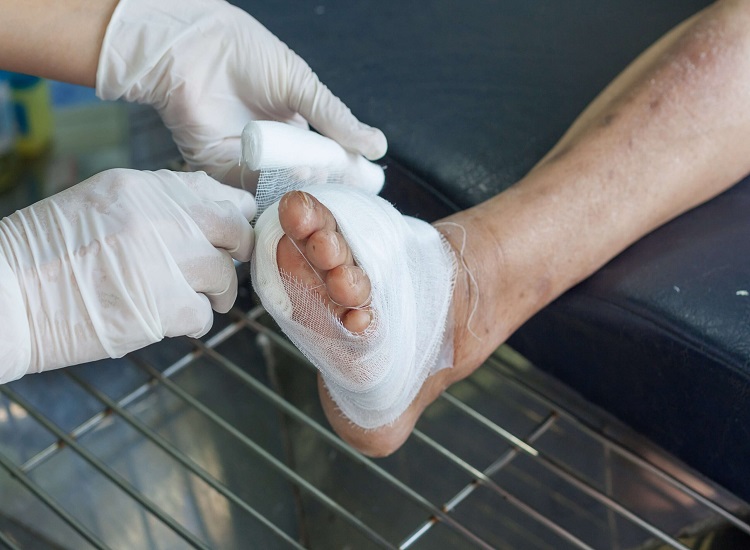
Non-healing wounds could be incredibly aggravating and even deadly. Whereas most wounds heal in approximately three weeks, others might take months or even years. Luckily, you can access professional Bakersfield wound care from expert cardiologist Dr. Vinod Kumar. At Heart Vascular and Leg Center, Dr. Kumar and his staff offer a range of wound care therapies, ranging from chronic disease care to hyperbaric oxygen therapy, to assist patients in recovering quickly. Meanwhile, check out this post to learn about five of the most common reasons for non-healing wounds.
- Infection
Your skin is the body’s first line of protection against infection. Once the skin shatters, microorganisms can penetrate the body via an open wound, and infections in a wound could essentially prevent it from healing. Rather than mending the wound, the body combats the infection.
If a wound becomes infected, common warning signs include inflammation, pain, redness, and foul-smelling secretion or pus. In such cases, antibiotics may be necessary to combat the infection.
- Poor Circulation
Blood is essential for supplying oxygen and nutrition to a wound and eliminating bacteria, toxins, and debris. Throughout the healing process, your body’s red blood cells transfer new cells to the wounded area to start repairing tissue. Poor blood circulation might slow down this healing process, causing the incision to take longer. Chronic illnesses, like diabetes, peripheral vascular disease, and obesity, could induce impaired blood circulation. Elevating such wounds or exercising might assist increase circulation.
- Poor Nutrition
The body requires up to three times the typical daily amount of protein to construct new tissue. Additionally, staying hydrated is essential for wound healing. Sadly, inadequate nutrition is frequently neglected as a cause of non-healing wounds. Common protein-rich foods include fish, dairy products, eggs, legumes, nuts, and seeds.
- Diabetes
Increased blood sugar could impair the immune system and hinder blood circulation, placing one at a greater risk for infection. Additionally, an individual with diabetes might experience nerve damage; therefore, they might still not experience pain, resulting in a cut going unnoticed.
- Extreme Inflammation
Excess inflammation results from fluid accumulating inside the skin. This condition hinders the body’s ability to repair a wound by minimizing the oxygen supply to the skin. Various compression therapies could be effective in eliminating the fluid. Once the swelling subsides, normal wound healing can commence.
- Repetitive Trauma
When an individual does not switch positions frequently, and a wound is subjected to repetitive pressure or trauma, the healing process slows or stops due to poor blood circulation. Repeated trauma is more likely to occur in spinal cord injury patients, people with paraplegia, or persons on bed rest.
Non-healing wounds, unlike an ear infection that is treatable with simple antibiotics. Wounds that do not heal are a serious and intricate issue that necessitates holistic care. Therefore, it is essential to locate a knowledgeable wound care specialist who could assist you in treating your non-healing wounds. The specialists at Heart Vascular and Leg Center provide exceptional wound therapies designed to meet your specific healthcare requirements and enable you to live a life free of the risks or limitations of non-healing wounds. Schedule a consultation through mobile or book online today.
