
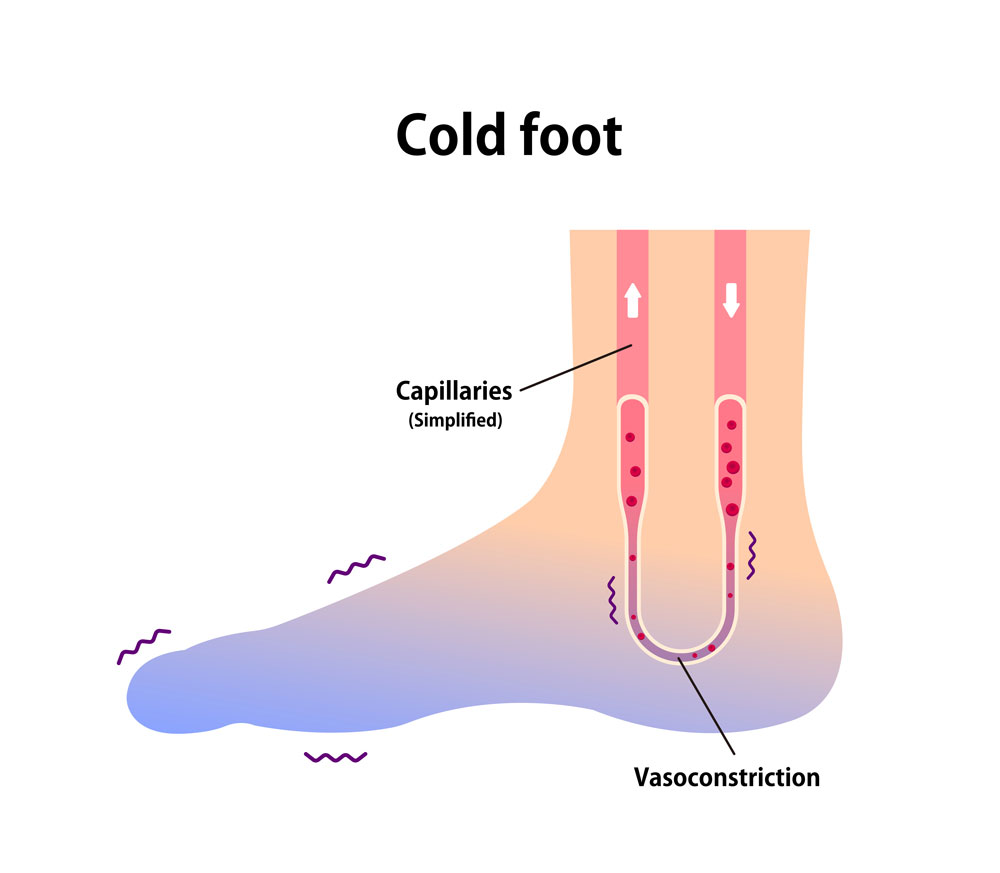
Usually, when you begin experiencing tingling, numbness, or swelling in your lower extremities it may be due to poor circulation in your legs. Poor circulation is commonly related to a heart or vascular condition. At times the numbness or swelling in your legs might worsen and prevent you from standing or walking for long, affecting your work productivity. As a result, if you begin experiencing any of the above symptoms, you must seek immediate medical help for appropriate diagnosis and treatment before serious complications arise. Therefore, if your legs are swollen and seek relief, Ariel Soffer MD, FACC, among other specialists, are here to your rescue. The team of board-certified cardiologists offers thorough vein evaluations to determine the cause of poor leg circulation and offer effective treatment. They also offer customized treatment plans focusing on improving blood circulation without invasive treatment. Therefore, if you are interested in learning about leg circulation, read on.
What causes poor leg circulation?
In most cases, poor circulation is not usually a condition on its own but a symptom or side effect of an underlying medical condition. Generally, your circulatory system is responsible for transporting nutrients and oxygen to other body parts via arteries when you are healthy. Deoxygenated blood is pumped back to the heart and lungs via veins for oxygenation, and the cycle continues. However, when you are experiencing poor leg circulation, there is an insufficient venous return of blood to your heart, making it pool in your lower extremities, causing swelling. Examples of conditions that can obstruct the backflow of blood to your heart from your legs include blood clots, obesity, heart disease, or diabetes. Peripheral artery disease can also cause poor circulation in your legs. It is a circulatory concern that narrows your leg blood vessels and stiffens due to plaque accumulation, affecting blood flow.
What are the symptoms of poor blood circulation in your legs?
Examples of symptoms you experience when blood in your legs is not correctly flowing include heaviness, numbness, tingling, weakness, and swelling. With time if your condition is left untreated, it might interfere with your ability to be physically active or even walk because its symptoms worsen. You can also develop varicose or spider veins, which result from poorly functioning leg valves that allow blood to flow back into your lower extremities causing blood to accumulate in the veins. When you have varicose veins, enlarged or bulging veins appear underneath your skin and can cause pain.
How is poor circulation diagnosed?
Your health care provider usually applies the latest diagnostic techniques to determine the cause of poor circulation for effective treatment. Varicose and spider veins are easy to diagnose by performing a physical examination. However, additional imaging tests such as an ultrasound help assess the degree of vein enlargement. It also helps diagnose other circulatory problems, like if there are blood clots in the veins.
Dietary changes and healthy exercises are recommended to help treat poor circulation. Blood thinners to help dissolve clots, if any, are also given. Therefore, if you are experiencing any symptoms of poor circulation and seek diagnosis and treatment, you can get started by scheduling your appointment at Soffer Health Institute today.
