
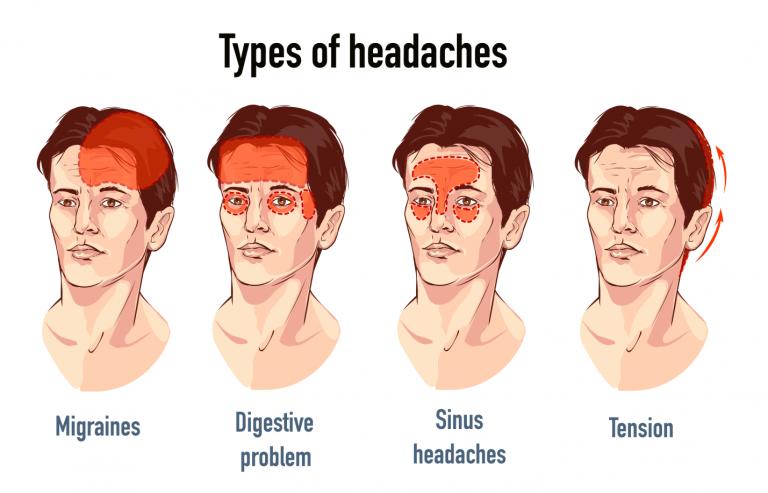
Headaches are a common medical issue, and there are high chances you will experience them many times in your life. They can result from physical injuries, environmental changes, emotional factors, or medical conditions like high blood pressure. Headaches Arlington can be frequent or severe, hindering you from doing your daily duties. They can occur as throbbing, constant, sharp, or dull pain. You can feel headache pain in your head, face, neck, or shoulders. Headaches present with different symptoms, occur for unique reasons and require varying treatments. Doctors use various therapies to manage and treat headaches. There are many types of headaches and below are some.
Tension-type headache (TTH)
Tension-type headache is the most common form, affecting three-fourths of all individuals worldwide. It is associated with the neck, face, and jaw muscles. When you TTH, you may feel like you have a tight band around your head. It can also feel like a constant, dull ache on both sides of your head and pain spreading to your neck. Research in 2020 found that TTH can be related to stress. Tension-type headaches can occur in episodes or be long-term.
Migraine
Migraine is among the leading disabling illnesses worldwide. It mostly happens on one side of your head but can switch sides. A migraine head can present with pulsating throbbing pain. During migraine episodes, you may feel lightheadedness, sound and light sensitivity, vision changes, and nausea, especially with vomiting. Migraine can be severe, altering your daily activities. A migraine episode can last for four to seventy-two hours.
Medication overuse headache (MOH)
Medication overuse headaches, also known as rebound headaches, happen when you take medicines to treat your headaches too often. You can develop MOH if you have primary headache disorders such as migraines. The medications can make migraine more severe and happen more frequently. MOH headaches can accompany neck pain, restlessness, a feeling of nasal congestion, and reduced sleep quality. Rebound headaches develop if you use opiate medications, especially those containing codeine or morphine.
Cluster headache
Cluster headaches can last fifteen minutes to three hours and happen one to eight times daily. They frequently occur for four to twelve weeks, then vanish. In most patients, cluster headaches occur around the same period each day. Cluster headaches mainly involve short-lived but severe pain around and behind your eye on one facial side. The pain can move to other parts of your face. Red or watery eyes, swollen eyelids, and blocked or runny nose can accompany your cluster headache.
Thunderclap headache
Thunderclap headaches are severe and happen suddenly. People describe them as the worst types of headaches. They reach maximum intensity in thirty seconds to one minute and gradually disappear within a few hours. Thunderclap headaches can indicate life-threatening conditions like an aneurysm, meningitis, bleeding in your brain, brain blood clot, or pituitary apoplexy. If you experience a thunderclap headache, seek medical care immediately.
Headaches are a common health problem and can be mild, moderate, and severe. There are many types of headaches based on accompanying symptoms and causes. Migraine, thunderclap, tensional-type, clusters, and rebound headaches are the most common. Schedule an appointment at Neuropathy and Pain Centers for headache treatment to relieve your pain.
