
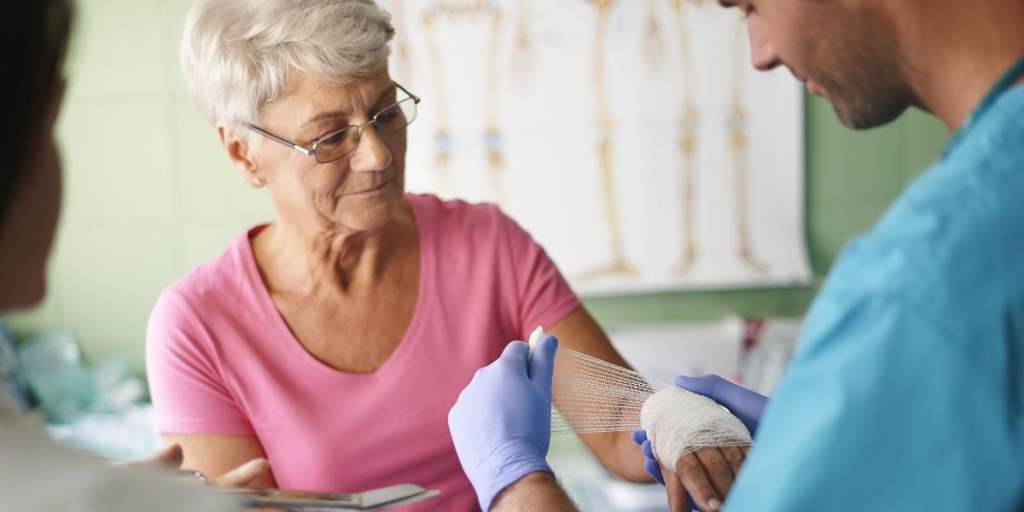
If you have diabetes, even a little scratch can quickly escalate into a life-threatening situation. One reason is that a diabetic’s immune system is more susceptible to infection than that of someone without the disease, so even minor injuries, like a cut or scrape, can quickly become serious. The legs and feet are common sites for many to occur. If you want to be sure that any wound you get is treated properly and will not cause complications, it is best to get checkups frequently. Let’s go over the reasons why your Bakersfield wound care may take longer if you have diabetes before we get started.
Neuropathy
Chronically elevated blood sugar levels are another risk factor for developing peripheral neuropathy. The nerves and blood vessels eventually deteriorate. Lack of sensation in the affected areas is a possible result.
The hands and feet are frequently affected by neuropathy. If this occurs, you could not experience pain from injuries that you sustain. This is a major contributor to the fact that diabetics are more likely to suffer from foot wounds.
Poor Blood Flow
Peripheral vascular disease, or impaired circulation, occurs in people with diabetes at a rate that is two times as high as the general population. P.A.D. patients were shown to have a prevalence of 49.7 percent for type 2 diabetes. The narrowing of blood arteries brought on by peripheral vascular disease lowers blood flow to the extremities. The disease also hinders red blood cells’ mobility within the circulatory system. Even more so, the body’s blood flow is impeded by a higher-than-normal blood glucose level, which thickens the blood.
Immune System Deficiency
Many diabetics also struggle with overactive immune systems. It is common for both the amount and effectiveness of immune fighter cells dispatched to heal wounds to be diminished. Slower wound healing and an increased risk of infection are both consequences of an impaired immune system.
Infection
It can be difficult for your body to fend off invading microorganisms if your immune system isn’t working properly. Having a blood sugar level that’s too high can also put you at risk of getting sick. The reason for this is that bacteria feed off of the sugar that is present in the bloodstream. In addition to making immune cells less effective against bacterium invasion, high blood sugar levels can also weaken the immune system. If your infection is not stopped in its tracks, serious outcomes including gangrene or sepsis may develop.
Elevated Glucose Levels in the Blood
One of the most important factors in how quickly you recover from a wound is your blood sugar level. High blood sugar prevents essential oxygen and nutrients from reaching your cells, raises inflammation levels in your body’s cells, and hinders the immune system’s ability to do its job.
Keep in mind that any cut, scrape, or abrasion, no matter how minor, can get infected if not treated, and in the worst circumstances, amputation. Taking care of oneself is crucial in reducing the likelihood of injury, but if you do sustain one, you will need to obtain medical attention immediately. In the event that you acquire wounds that need expert care, please contact or visit Diabetic Foot and Wound Center today to discuss your condition and begin treatment.
