
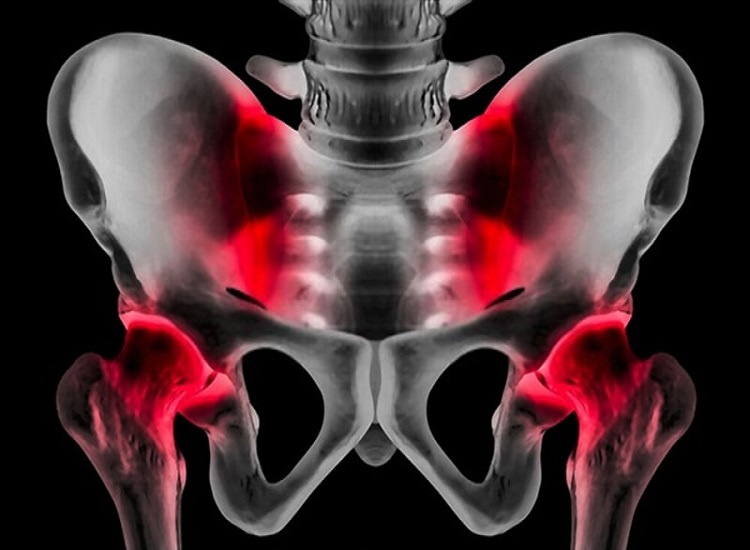
Pelvic pain can occur in any woman for several reasons, but endometriosis is the most prevalent in most women. Severe pelvic pain can result in psychological distress, preventing you from accomplishing your daily tasks. Dr. Karen Brodman New York may have the perfect solution if you want long-lasting relief from pelvic pain.
Factors contributing to the occurrence of pelvic pain
Although pelvic pain often occurs due to a problem in a woman’s reproductive organs, men can also experience it due to multiple causes. The pain may be due to an infection or a problem in non-reproductive organs such as the colon. Pelvic pain may also result from medical conditions in the pelvic organs and the supporting muscles. Gynecologic conditions that may lead to pelvic pain include pelvic inflammatory disease, ovarian cysts, adenomyosis, endometriosis, pelvic adhesions, and uterine fibroids. Among all these causes, endometriosis is the most prevalent.
The connection between pelvic pain and endometriosis
Endometriosis is a disorder that occurs when your uterus lining grows outside your uterus. Every month your endometrium thickens and sheds if fertilization doesn’t take place. Medical specialists believe that the backward flow of blood through your fallopian tubes and into the pelvic area contributes to the development of endometriosis. The endometrial cells then attach and develop on your outer uterus, fallopian tubes, bladder, ovaries, and other pelvic organs. Over time, the disorder deteriorates, leading to scarring, inflammation, and pelvic pain. Inform your doctor immediately for a medical exam when you experience excruciating pelvic pain that does not respond to over-the-counter pain relievers.
How pelvic pain can be diagnosed
During your appointment, Dr. Brodman discusses your symptoms, reviews your health history, and performs a comprehensive pelvic exam. She may also offer several other tests to determine the underlying cause of your pain and discomfort. Some of the tests your provider may suggest include MRI, pregnancy tests for women of reproductive age, ultrasound, CT scan, laparoscopy, urine and blood tests, and lower endoscopy. Dr. Brodman prefers an MRI, which can reveal deep infiltrating endometriosis and guarantees an accurate diagnosis.
Available treatments for pelvic pain
After diagnosis, your doctor develops a personalized treatment plan to alleviate your symptoms and address the underlying cause. Dr. Brodman may begin treatment with conservative approaches such as pain relievers before advancing to more aggressive treatments. She may also prescribe hormonal medications such as birth control pills if your symptoms occur during your menstrual period. If your pelvic discomfort is due to uterine fibroids, or endometriosis, your physician may recommend surgery.
Laparoscopic deep excision surgery is another minimally invasive treatment that removes scar tissue from adenomyosis or endometriosis. The team may suggest a myomectomy if uterine fibroids cause your pain. They remove them by conducting a minimally invasive laparoscopic or hysteroscopy myomectomy. Dr. Brodman understands that you may want to expand your family in the future, so she may suggest a hysteroscopy as a last resort.
If your pelvic pain interrupts your daily life, call Dr, Brodman or schedule an appointment online for a pelvic exam and treatment.
