
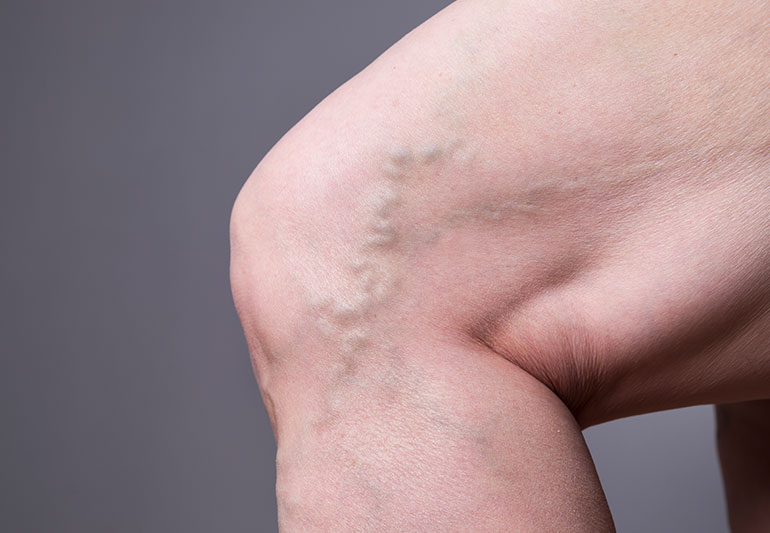
Varicose veins are enlarged and twisted veins that appear in the legs, often near the knee or ankle. Davenport varicose veins can cause swelling and pain. In some cases, varicose veins may indicate an underlying problem such as diabetes or high blood pressure.
Varicose veins usually develop because of weakened valves in the leg veins, which do not close tightly when they should. A buildup of fluid in the legs causes these valves to stretch out, leading to varicose veins and tissue damage.
You may be wondering why you developed varicose veins in the first place. Here are some factors that may increase your likelihood of developing varicose veins:
Obesity
Excess weight places pressure on the veins, which can cause them to enlarge and become twisted. Weight gain can also alter your body’s blood flow and circulation, increasing your risk of developing varicose veins.
Diabetes
Diabetes is a disease of the blood vessels, resulting in damage to the walls of small blood vessels (capillaries) and large vessels that supply the heart, brain, and other vital organs. The damaged blood vessels can lead to high blood pressure (hypertension), damaging small blood vessels and causing varicose veins. When you have diabetes, your body doesn’t use insulin properly. It means your body cannot remove sugar (glucose) from your bloodstream as effectively as it should, which may cause high sugar levels in your blood. If this happens over time, it may cause damage to the walls of your arteries, increasing the risk of developing varicose veins.
High blood pressure
High blood pressure is another condition that can cause varicose veins. High blood pressure damages small blood vessels throughout the body, which can lead to hypertension (high blood pressure). Hypertension damages small arteries and veins throughout the body. It also reduces blood flow into vital organs like the heart and brain. You need to monitor your health regularly when you have high blood pressure. Otherwise, you might develop varicose veins.
Pregnancy
Pregnancy can be a factor in the development of varicose veins. Pregnancy hormones cause blood volume to increase, and this can lead to the formation of varicose veins. These are usually located on the legs but may also occur in other body areas.
If you have varicose veins during pregnancy, you must see your doctor early on to ensure that you do not develop deep vein thrombosis (DVT). DVT is a condition where blood clots form in the deep veins of your body, which can cause serious health issues if left untreated.
If you have varicose veins, likely, they are not just cosmetic. A vein specialist can help you determine if other veins are affected and what treatment is best for you. If your varicose veins are causing pain or discomfort, speak with your doctor about getting treatment immediately. In many cases, simple treatments such as compression stockings for varicose bandages can help your condition improve in just two to three weeks. Contact Vein & Cardiovascular Center and schedule an appointment with a vein specialist to learn more about varicose veins and available treatment options that can relieve your symptoms.
